Salam,
February 2026. Beirut.
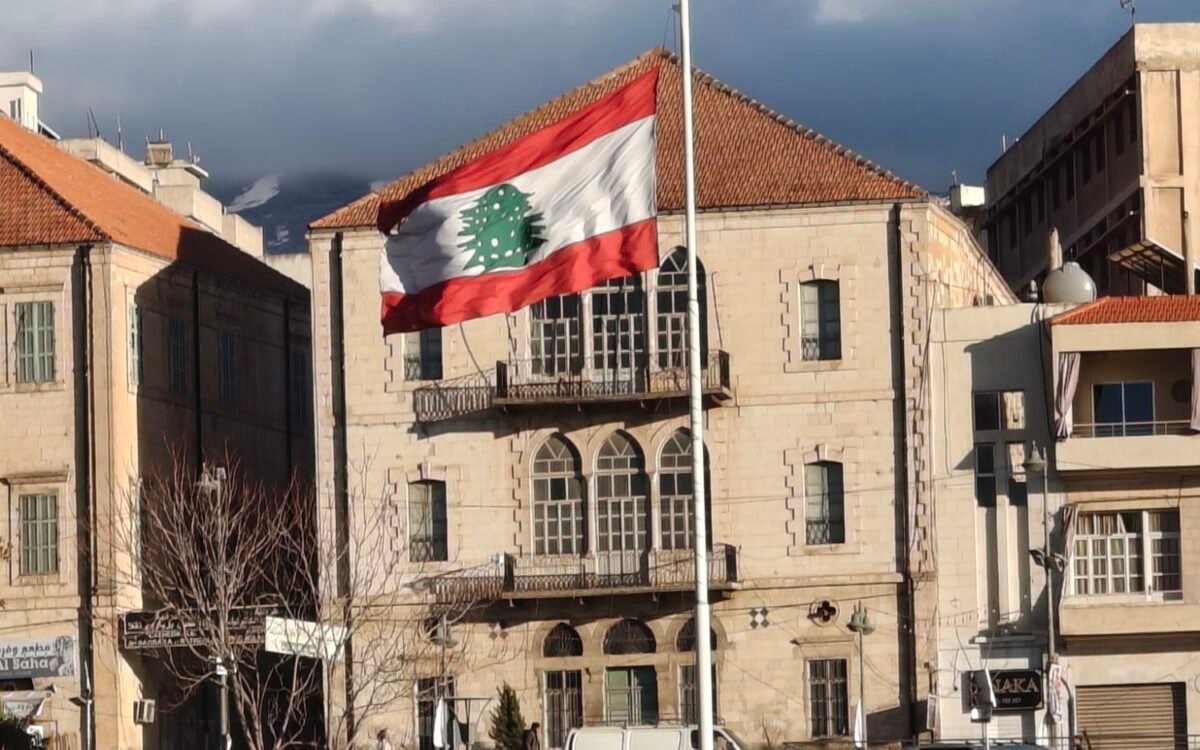
I want to answer this question honestly. Not the sanitised travel blog version. Not the government advisory copy-paste. The actual answer from a Singaporean Muslimah who walked through Hamra, visited widely across Beirut including the south, prayed in Lebanese mosques, ate iftar during Ramadan and was still there when the war started on February 28.
That is my credibility for writing this post. Take it or leave it as you please 🙂
The short answer is: it depends entirely on when you go, where you go, and how honestly you are willing to assess the situation before you leave home.
Here is the long answer.
For Singaporeans: Read This First
Singapore’s Ministry of Foreign Affairs issued a travel advisory on March 1, 2026 advising Singaporeans to defer all travel to Lebanon. This was part of a wider advisory covering 15 Middle East destinations following the escalation of the regional security situation on February 28.
The MFA advisory states specifically that Singaporeans currently in Lebanon should leave the country immediately via commercial options while they remain available, and should avoid southern Beirut and southern Lebanon entirely.
Check the current advisory at mfa.gov.sg. Register your trip at eregister.mfa.gov.sg before you go so MFA can contact you if the situation changes. I was in Lebanon when the war started and having your contacts registered matters when things move fast.
One more thing specific to Singaporeans: most standard travel insurance policies purchased after February 28, 2026 will not cover claims related to this conflict as it is now classified as a known event. Check your policy carefully before you book anything.
The Wider Advisory Picture
It is not just Singapore. The US State Department placed Lebanon at Level 4 Do Not Travel from March 2026. The UK FCDO, France, Australia and Canada all advise against tourist travel to Lebanon. These advisories exist because a real war happened and in parts of the country, is still ongoing as of mid-2026.
This post reflects my personal experience in Lebanon in February 2026, which was before the full escalation. I am not telling you to go. I am telling you what it was actually like when I was there, what I personally observed, and what you need to know to make an informed decision for yourself.
Always check your government’s official travel advisory before making any plans. Check it the week before. Check it the day before. The situation in Lebanon changes fast.
Understanding Lebanon’s History of War
Lebanon has been living in cycles of conflict, reconstruction and conflict again for fifty years. Civil war from 1975 to 1990. A 34-day war with Israel in 2006. The port explosion in 2020 that destroyed a third of Beirut overnight. Cross-border fighting with Israel through 2024. And then February 28, 2026, when the wider US-Iran war restarted everything.
What no news article prepares you for is how little trace of all that you see when you are actually there. I walked through Hamra, Byblos, Batroun, Jounieh and the Bekaa in February 2026. Cafes open. Families out. Streets functioning. The Lebanese people call their country the phoenix of the Middle East. Every time it burns, it comes back. The speed of recovery here is unlike anything I have seen anywhere else in the world.
Understanding this history matters when you travel here because it explains why certain neighbourhoods are politically sensitive, why photography can get you into trouble, and why some people answer your questions with a heaviness that goes beyond the present moment. Move through this country with humility and awareness. That is not a warning. It is just good travel sense in a place that has been through a lot.
For the full history with context and sources, see the Further Reading section at the bottom of this post.
What Lebanon Felt Like in February 2026, Before the War
When I arrived in February 2026, the country was already living under tension. The ceasefire from late 2024 was technically holding but everyone knew it was fragile. The economic crisis was grinding people down. And yet Lebanon was very much alive.
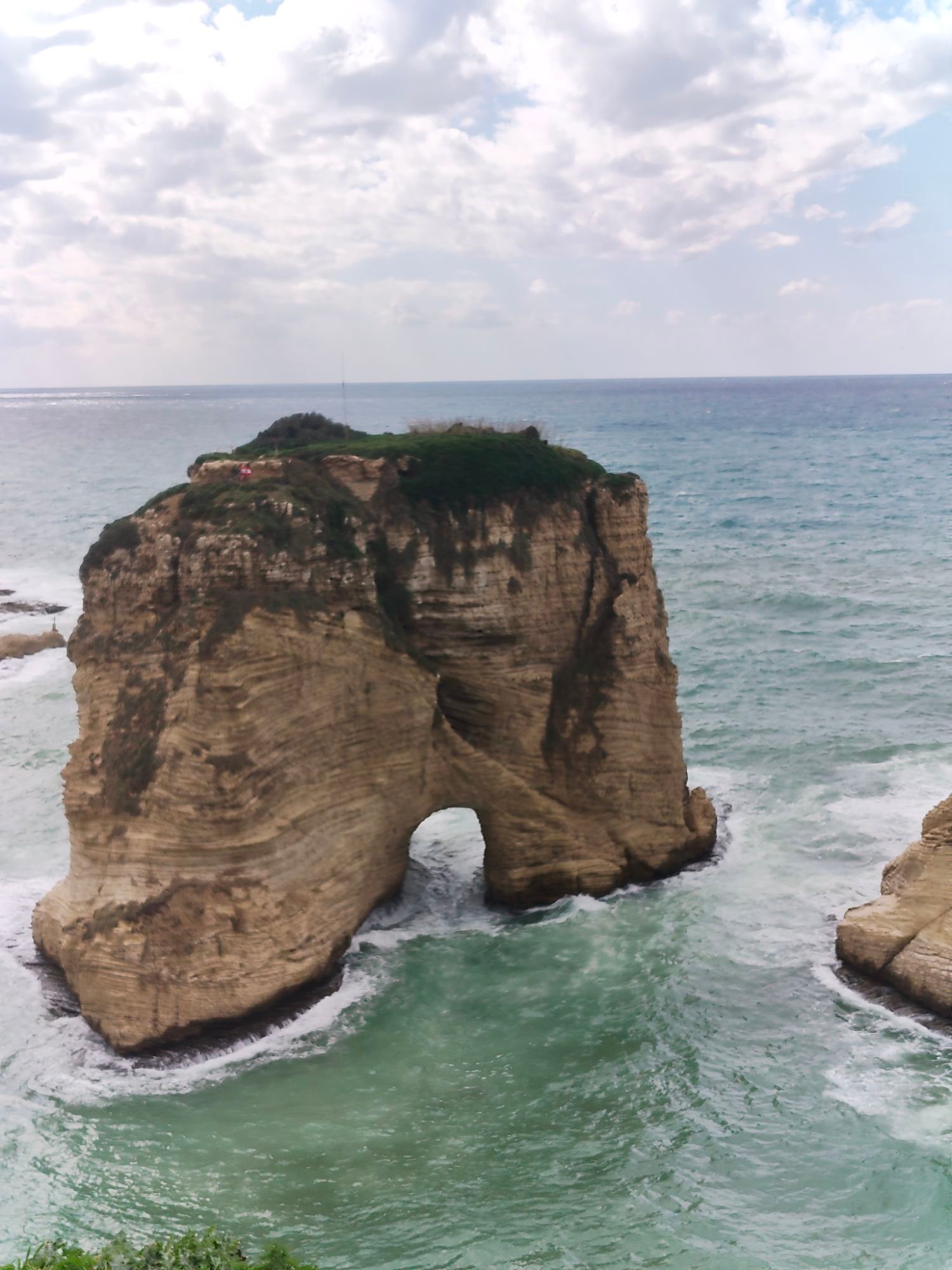
I did not just stay in Beirut. I moved through Hamra, Zaitunay Bay, the southern parts of the city, Byblos on the coast, Batroun further north, Jounieh in the mountains, and into the Bekaa Valley. Each area felt different. Beirut was busy and buzzing in that particular Lebanese way, cafes full, Corniche crowded in the evenings, mosques calling adhan and people answering it. Byblos felt quieter, more historic, more tourist-facing even in the off-season. Batroun felt relaxed and coastal. The Bekaa felt heavier somehow, more rural, more politically charged.
What Changed After February 28
On February 28, the US and Israel launched strikes on Iran. Soon after a few days, Hezbollah fired into Israel from Lebanese territory. Israel responded with airstrikes across Lebanon including Beirut’s southern suburbs, the Bekaa Valley and the south.
By early April 2026, the IDF had struck over 3,500 targets in Lebanon. At least 4,333 people were killed and over 12,000 injured between March and July. More than a million people were displaced at the peak of the conflict. A ceasefire framework was agreed in late June 2026 but violations continued and as of mid-2026 the situation in southern Lebanon and parts of the Bekaa remains active and unsafe.
I was in Lebanon when this started. Getting out was its own story, which I will tell in a separate post Inshallah.
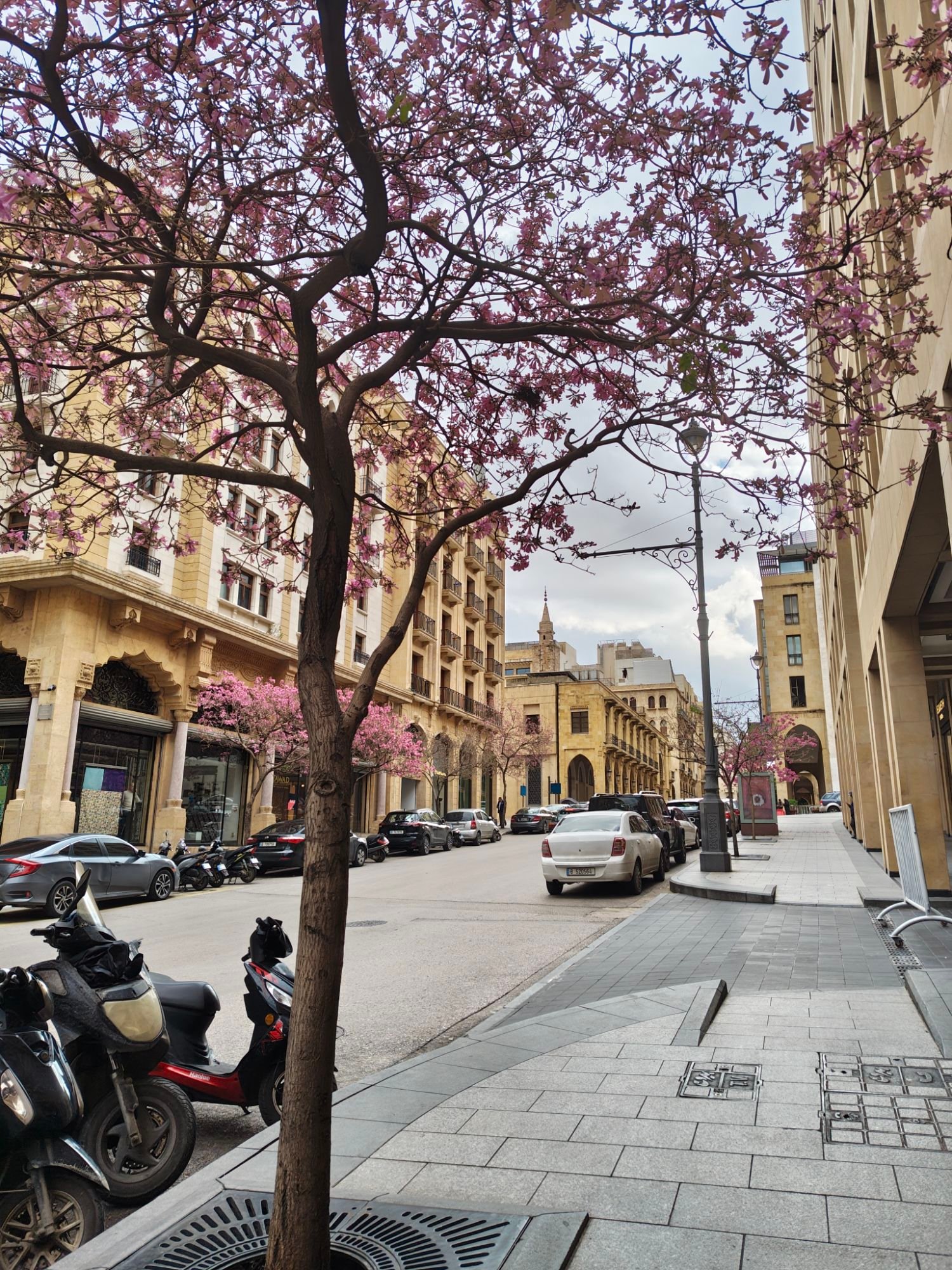
The Risk Map: Where Is Safe and Where Is Not
Lebanon is not uniformly dangerous. This matters enormously for how you plan.
Avoid completely: Southern Lebanon below the Litani River. Active conflict zone with ongoing strikes, unexploded ordnance across more than 1,200 identified sites and Israeli military presence along the border.
Avoid completely: Beirut’s southern suburbs, known as Dahieh. Struck repeatedly since March 2026. The road to Beirut’s Rafic Hariri International Airport passes through this area, which means even your arrival and departure carry risk.
Avoid completely: The eastern Bekaa Valley near the Syrian border, including the Baalbek area. The Masnaa border crossing I used was threatened with Israeli airstrikes in April 2026 and temporarily closed.
Exercise extreme caution: Central Beirut including Hamra, Achrafieh and Downtown. Calmer day to day but not fully safe. Strikes have reached central Beirut and the situation can change without warning.
Comparatively calmer: The Mount Lebanon coast north of Beirut including Jounieh, Byblos and Batroun. Less direct military activity but not exempt from the wider conflict.
The Photography Rule Nobody Tells You
This is important and most travel guides skip it entirely.
In certain neighbourhoods in Lebanon, taking photographs can get you into serious trouble. This is especially true in politically sensitive areas, near Hezbollah-controlled zones, around infrastructure, checkpoints, military positions and in some residential neighbourhoods where the community is on high alert.
People may assume you are a spy, a journalist with an agenda, or someone documenting for intelligence purposes. In a country that has been bombed repeatedly, that suspicion is not paranoia. It is lived experience.
The rule I followed: if you are not sure whether it is okay to take a photo, do not take it. Ask first. Always. A simple gesture toward your phone and a questioning look at a local nearby is usually enough to get a clear signal either way. Most Lebanese people are warm and will tell you directly. But never assume photography is welcome in a neighbourhood you do not know.
How Muslim-Friendly Is Lebanon
More than most Muslim travellers expect, and with a few nuances worth knowing.
Lebanon is roughly 54 percent Muslim. Mosques are everywhere and genuinely accessible. As a hijabi Muslimah I felt completely at ease across every area I visited. No second glances. No friction. My religious dress was simply a normal part of the visual landscape.
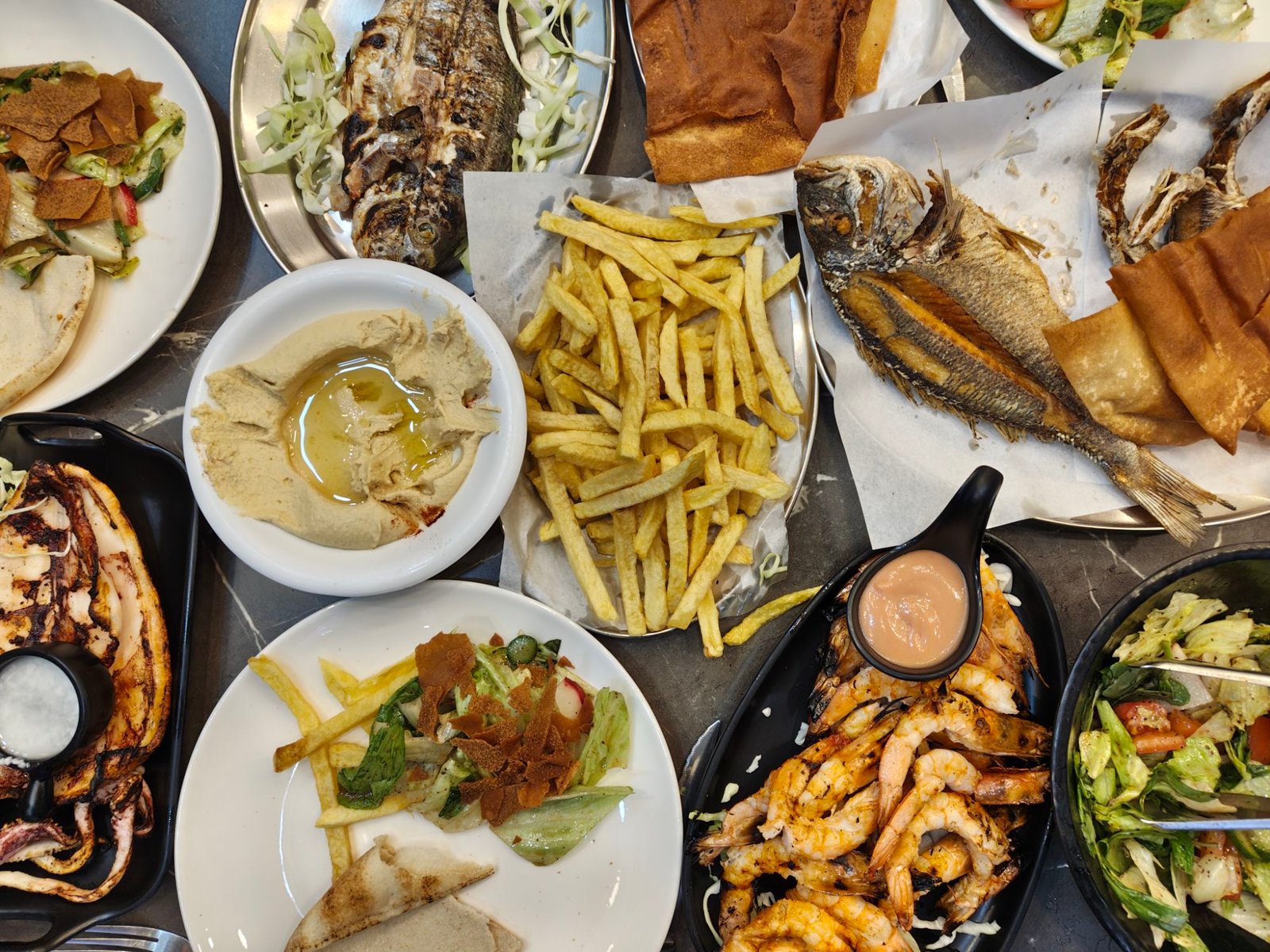
Halal food is the common in most of Lebanon. Lebanese cuisine such as hummus, falafel, kibbeh, manakish, grilled meats, fresh seafood are easy to find. Some restaurants in muslim-majority areas like Hamra do not even think of themselves as halal restaurants because halal is simply the baseline.
The nuance: Christian-majority areas like Jounieh, parts of Byblos and some areas of the Bekaa wine country serve pork and alcohol regularly, including in restaurants that look halal from the outside. If you are in a Christian neighbourhood, ask about the meat before you order. Most restaurant staff will answer directly and without any issue.
Prayer times are respected across Muslim areas. During Ramadan the evening atmosphere is beautiful and some streets lit up.
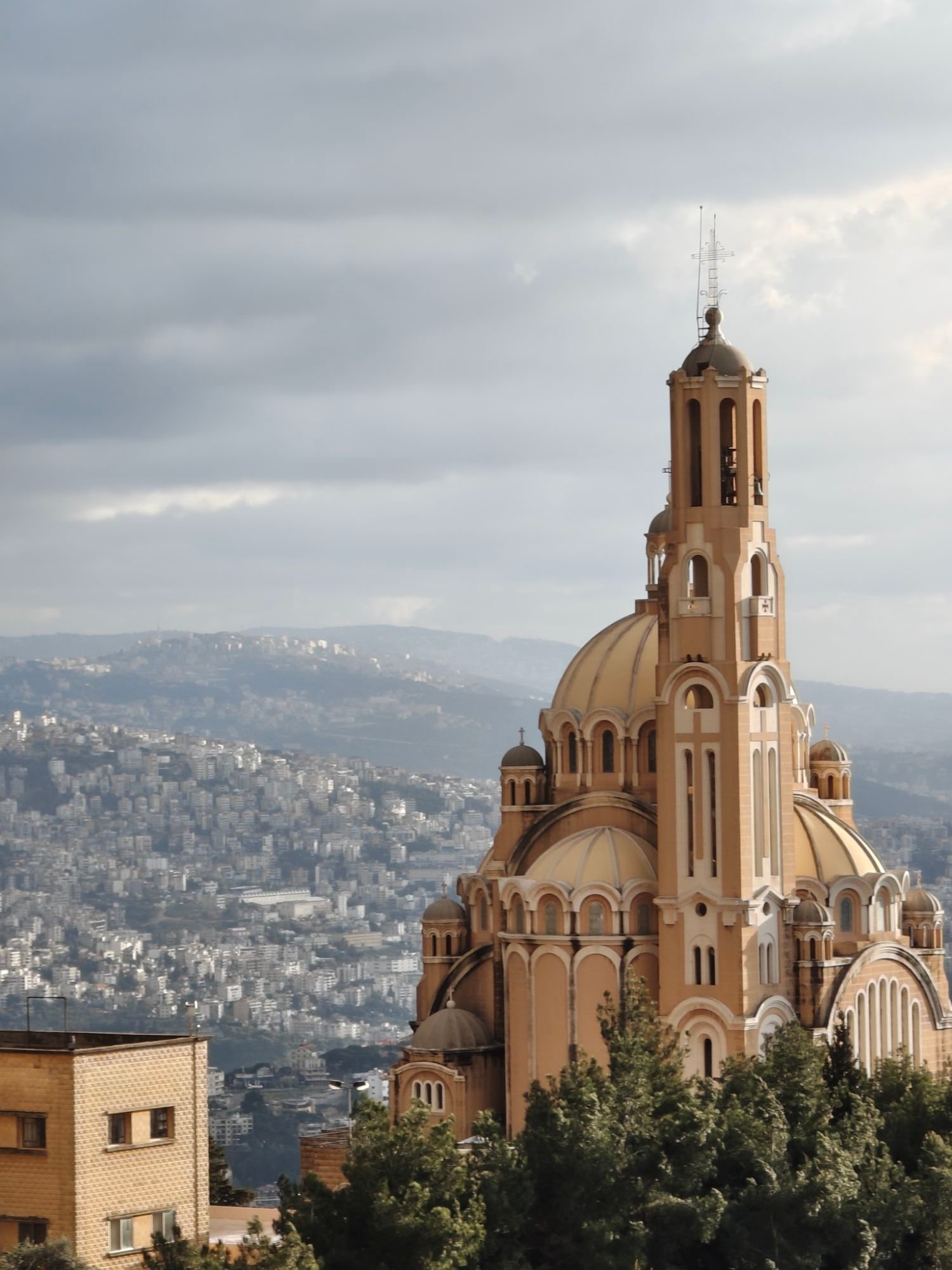
The Al-Omari Grand Mosque in Downtown Beirut is one of the most striking mosques in the city and welcomes visitors. The Mohammad Al-Amin Mosque near Martyrs Square is another. Hamra Mosque is quieter and more neighbourhood-facing. All three were open and welcoming when I visited.
One thing worth understanding before you go: Lebanon’s Muslim community is not uniform. The country has both a significant Shia and Sunni Muslim population, and the areas they inhabit have a different feel, different politics and different levels of access for foreign travellers right now. I cover this in detail in a separate post inshallah. If you are planning to move widely across Beirut and beyond, read that before you go.
My Honest Answer: Should You Go?
Right now in mid-2026: no, not for tourism. The ceasefire is fragile, violations are continuing, and most international airlines are avoiding Lebanese airspace. Singapore’s MFA advisory to defer all travel remains in effect.
If you have family there, legitimate work or a specific reason that overrides the risk: go with full awareness of what you are walking into. Have an exit plan that does not depend solely on Beirut airport. Keep USD cash on hand. Register with MFA at eregister.mfa.gov.sg. Stay out of the south and Dahieh. Monitor the US Embassy Beirut security alert page which issues updates as frequently as every two weeks.
When things stabilise: you can consider. I mean the history of Phoenicians itself is originating in modern-day Lebanon. Read about Phoenicians blog here.
Current Status: August 2026
This is updated as of mid-August 2026 so you have the most accurate picture before you make any decisions.
Beirut’s central districts are functioning. The northern coast including Jounieh, Byblos and Batroun is calmer. Southern Lebanon, Dahieh and the eastern Bekaa remain dangerous and off-limits. The situation is fluid and can change within days. Check the sources in the references section before you travel, not just this post.
Quick Safety Reference for Singaporean Travellers
Singapore MFA advisory: Defer all travel to Lebanon. Check mfa.gov.sg for updates. Register at eregister.mfa.gov.sg.
Travel insurance: Most policies purchased after February 28, 2026 exclude conflict-related claims. Check your policy before booking anything.
Current advisory levels: US State Department Level 4 Do Not Travel. UK FCDO advises against all travel to southern Beirut, southern Lebanon, Nabatiyeh and parts of the Bekaa.
Zones to avoid for now: Southern Lebanon below the Litani River, Dahieh, eastern Bekaa Valley, Palestinian refugee camps, Syrian border areas.
Comparatively calmer zones: Hamra, Achrafieh, Downtown Beirut, Jounieh, Byblos, Batroun. Still exercise caution.
Photography: Ask before you take photos in any neighbourhood you do not know. When in doubt, put your phone away.
Halal food: Widely available across Muslim-majority areas. Ask about meat sourcing in Christian-majority areas like Jounieh and parts of Byblos.
Hijab: Completely normal across Lebanon. No friction experienced personally across all areas visited.
Airport: Rafic Hariri International Airport is operational but the access road passes through Dahieh. Monitor your airline for disruptions.
Stay safe. Travel informed. And if you are a traveller who was in Lebanon , I want to hear your story in the comments.
Further Reading
For the full history of Lebanon’s conflicts with sources, figures and deeper context, the following are worth your time. Always read travel advisories directly rather than relying on any blog post including this one.
Lebanon’s History of Conflict
Lebanese Civil War 1975 to 1990
Britannica: Lebanese Civil War
Wikipedia: Lebanese Civil War
Every Casualty Counts: Lebanon
2006 Lebanon War
Britannica: 2006 Lebanon War
Human Rights Watch: Why They Died
Wikipedia: 2006 Lebanon War
2020 Beirut Port Explosion
Britannica: 2020 Beirut Explosion
Al Jazeera: How Big Was the Beirut Explosion
PBS NewsHour: Three Years After the Beirut Port Blast
Travel Advisories
Singapore MFA: Lebanon Travel Advisory
Singapore MFA eRegister: Register Your Trip
US State Department: Lebanon Travel Advisory
UK FCDO: Lebanon Travel Advice
US Embassy Beirut: Security Alert Messages
Travel Insurance
MSIG Singapore: Travel Advisory and Policy Coverage
TripZilla: What Singaporeans Need to Know About Middle East Travel Insurance
[…] Before you read further, check the current travel advisory before planning. My full safety post is here: Is Lebanon Safe for Muslim Travellers in 2026? […]