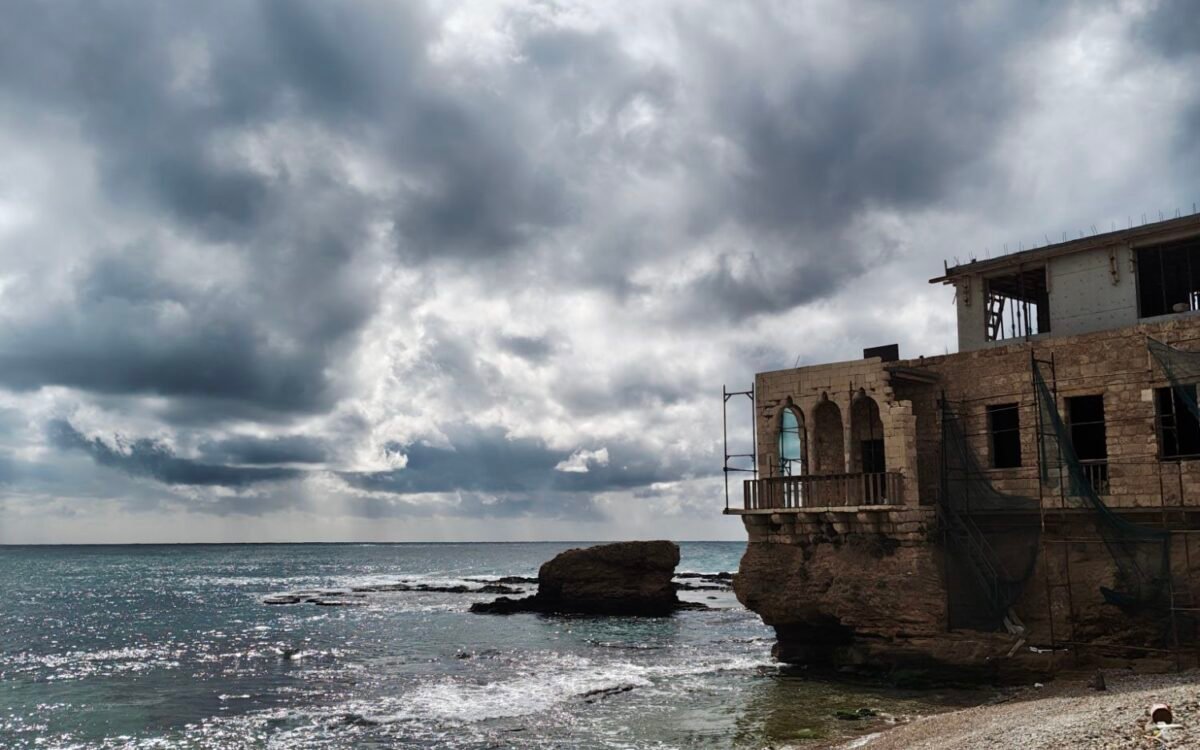
Salam, future me and fellow travellers.
I had never heard of the Phoenicians before I went to Lebanon.
We stopped in Byblos on the way up the coast. A local shared with me about Phoenicians. I am embarrassed to say I have not heard about it before. The word I use to say hello. The alphabet that carries the Quran. All of it traces back to the Byblos.
Here is what I learned.
Who Were the Phoenicians?
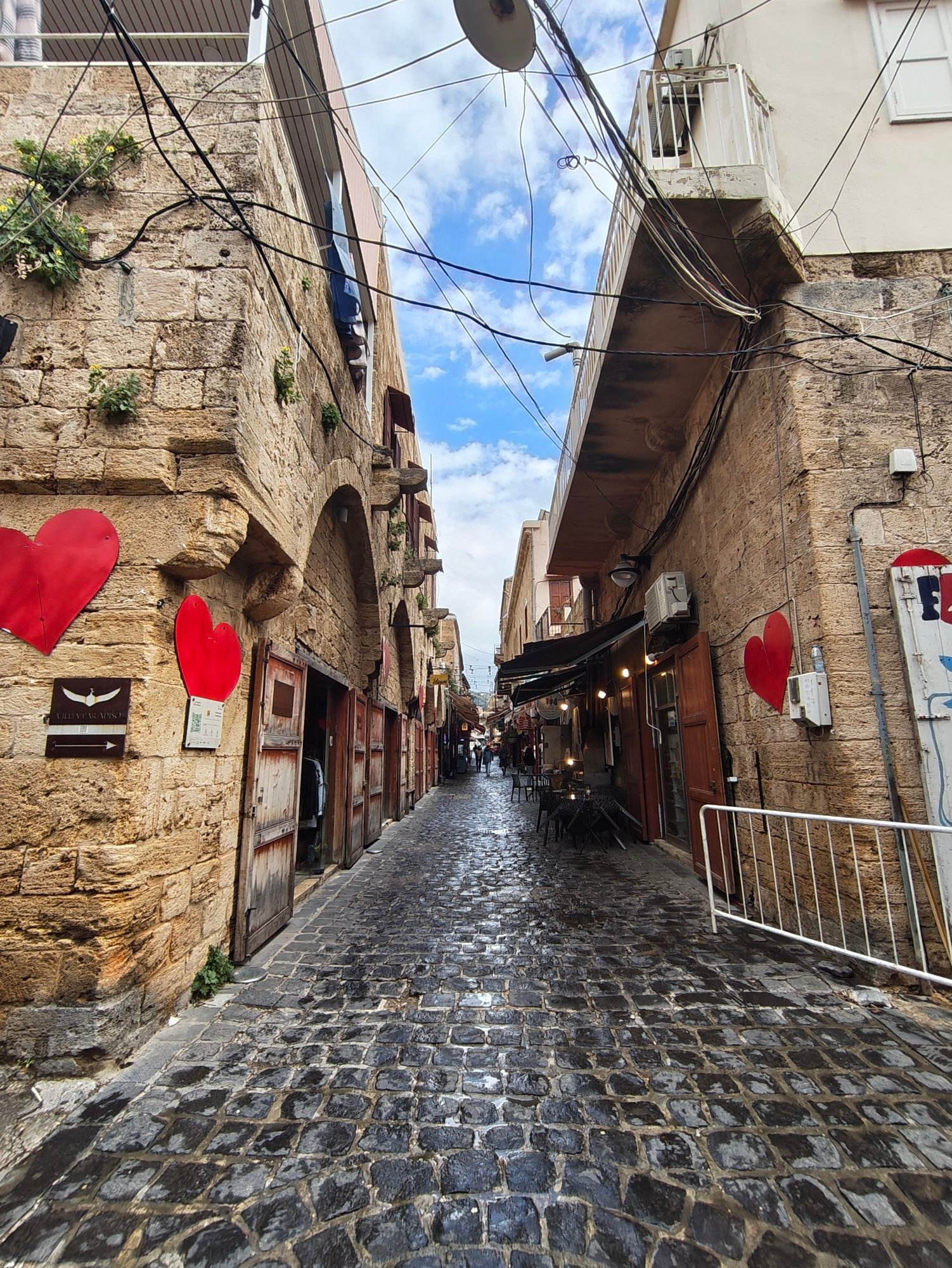
They lived along this coast, modern-day Lebanon, from roughly 1500 BCE. Not an empire. Not a kingdom. A network of city-states: Byblos, Sidon, Tyre, Beirut. What connected them was the sea and trade.
They were the greatest maritime traders of the ancient world. Their ships reached Spain, Britain, West Africa and possibly beyond. Around 600 BCE, according to the Greek historian Herodotus, Phoenician sailors circumnavigated the entire continent of Africa, 2,000 years before Vasco da Gama.
And they did all of this without building a single monument that anyone remembers.
The Fun Facts Nobody Tells You
Their name might mean Purple People. The word Phoenician likely comes from the Greek phoinix, meaning purple-red. Tyrian purple, their most famous export, came from the mucus glands of sea snails called murex. It took up to 60,000 snails to produce just one pound of dye. The colour was so rare and expensive that Roman emperor Nero eventually made it illegal for anyone but himself to wear it. That is where the phrase royal purple comes from. A Lebanese sea snail started that.
They may have invented glassblowing. Ancient sources credit the Phoenicians with discovering that sand melted at high heat could be shaped into glass. Whether they were truly first is debated by historians, but glass was certainly one of their major exports.
King Solomon used Phoenician craftsmen to build the Temple in Jerusalem. The Bible records this. The cedar wood came from Lebanon.
The Phoenician alphabet had 22 letters, no vowels, written right to left. The Greeks borrowed it around 800 BCE and added vowels to create Greek. Greek became Latin. Latin became the alphabet you are reading now. Arabic traces a separate but related line back through Aramaic to the same Phoenician root. The language of the Quran and the language of this blog both start from the same 22 letters invented on this coast.
One more. Papyrus came from Egypt. But it was exported to the rest of the world through Byblos. The Greeks received it through this port so often that they named the material after the city. Byblos became the Greek word for papyrus, then for book, then for the collection of books we now call the Bible. The city gave the world its alphabet and gave the Bible its name.
Lebanon and the Phoenicians Today
There is a complicated relationship between modern Lebanon and this history.
For many Lebanese Christians, Phoenician heritage is a point of pride. A distinct Mediterranean identity separate from the Arab world. Some 20th century Lebanese nationalists actively promoted Phoenicianism as a cultural identity.
For many Lebanese Muslims and Arab nationalists, this framing has felt like a political move away from Arab and Islamic identity.
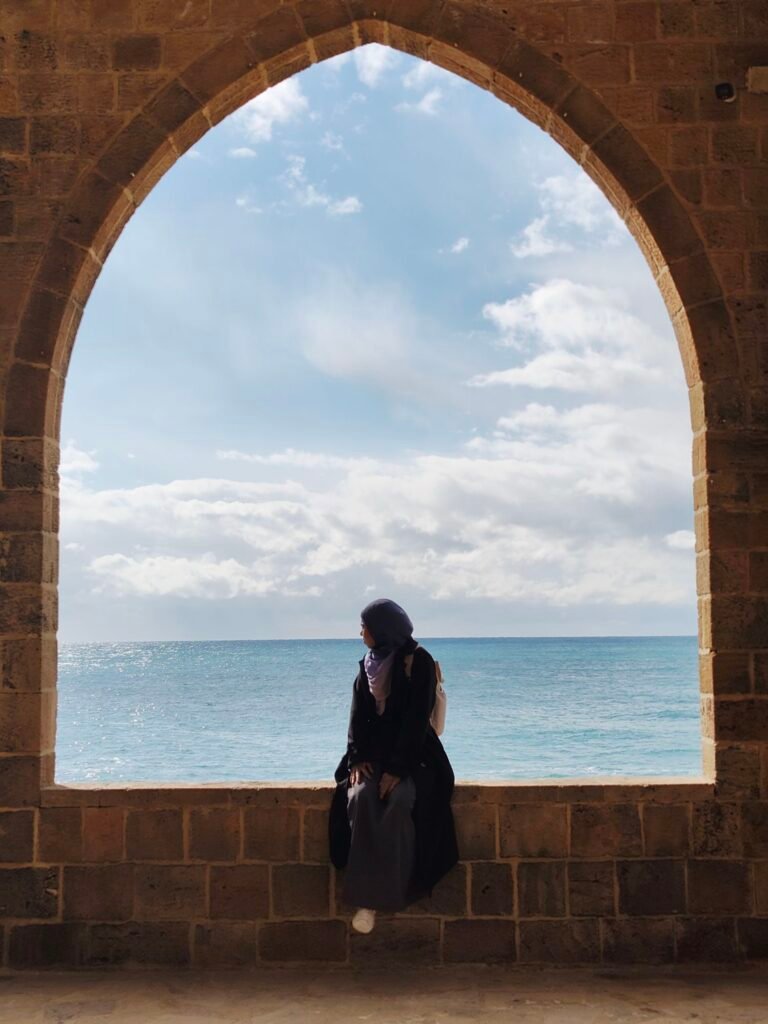
Walking through Byblos as a Muslimah, what struck me is that the Phoenicians predate all of it. They predate Islam, Christianity, the Arab identity and the Maronite Church. The Crusader castle in Byblos was built using Roman columns built on Phoenician foundations built on Bronze Age settlements. Every civilisation here borrowed the bones of the one before it. Lebanon is not one story. It is all of them, layered into a very small piece of land on the edge of the sea.
You Must Visit: Church of Our Lady of the Sea
My personal must-visit in Byblos. Not because of the building. Because of where it sits.
The terrace looks directly out over the Mediterranean. Nothing between you and the horizon. The old Phoenician harbour wall runs along one side. The stone lanes of the old town are behind you. Open water in front, changing colour every few minutes with the light.
It is the kind of view that makes you understand why people have been building sacred spaces on this coast for thousands of years.
Give it more than five minutes. Face the sea. Let it be quiet.
Church of Our Lady of the Sea on Google Maps
Quick Tips for Visiting Byblos
- Getting there: shared taxi or private driver from Beirut, roughly 40 minutes north
- Stop at مسمكة الحسون in Tabarja for lunch on the coastal road — fresh seafood, personally visited
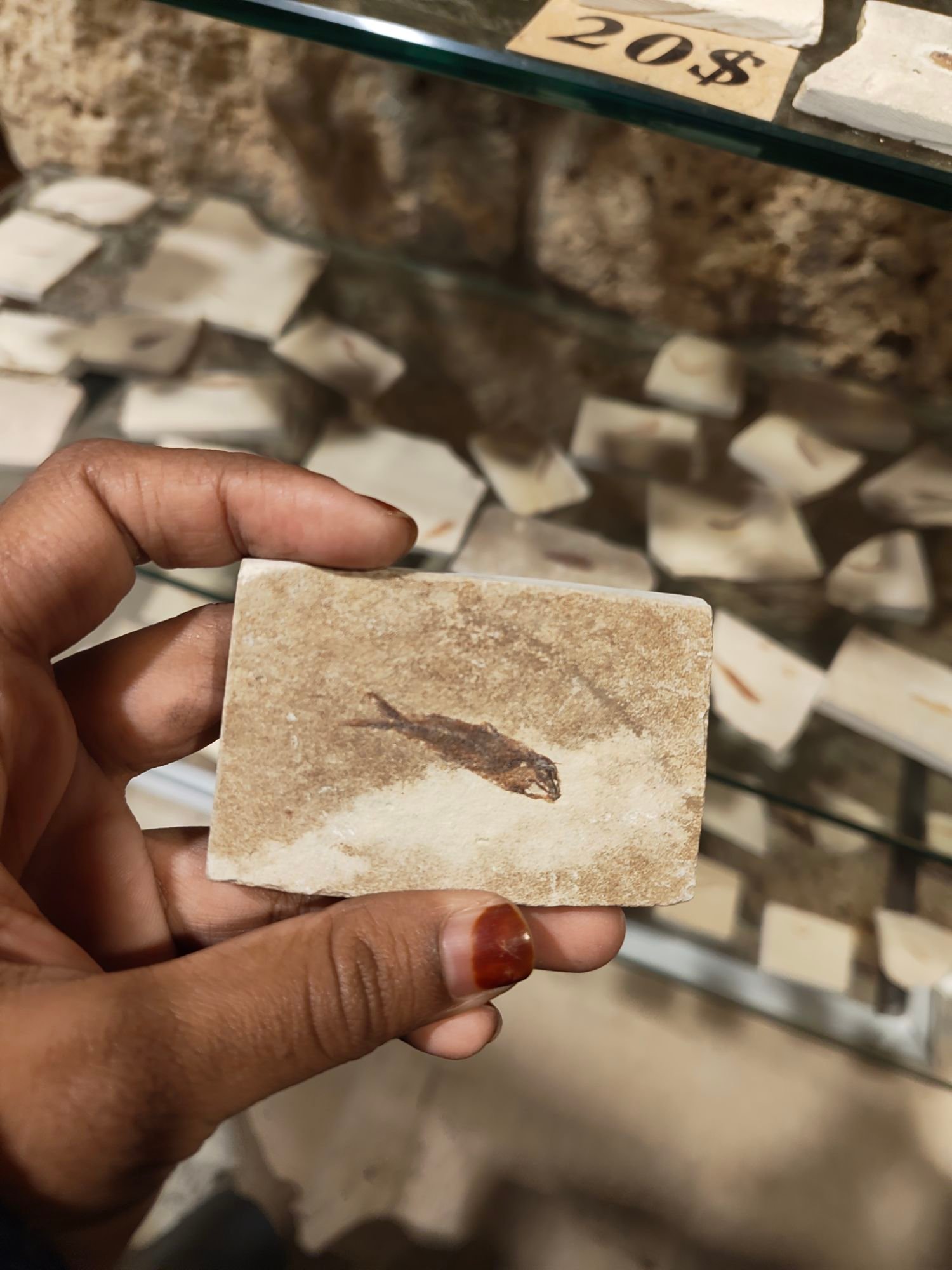
- Memory of Time Fossil Museum -100-million-year-old fossils found in the Lebanese mountains. Rated 4.8 on Google. Do not skip it.
- Byblos Castle, old port and stone lanes – arrive early before tour groups
- Harbour wall at sunset – one of the best spots on the Lebanese coast
- Halal food: ask about meat sourcing since Byblos has a mixed population
Further Reading
Britannica: Phoenicia
Britannica: Byblos
UNESCO: Byblos World Heritage Site
National Geographic: The Purple Dye That Powered the Phoenician Empire
Also from this blog:
Muslim Travel Guide to Lebanon | 5 Day Itinerary
Is Lebanon Safe for Muslim Travellers in 2026?
Crossing from Syria into Lebanon at Al Masnaa